The Ice Caves at Werfen
Forty minutes south, the world’s largest ice cave holds winter all year — the tour climbs about seven hundred steps by the carbide lamps you carry, because there is no electric light in the mountain. Dress accordingly.
The short version
- Trains run Salzburg to Werfen in about forty minutes at modest fares, and the mountain does the rest: shuttle or steep walk to the cable car, the cable car to the upper station, and a final alpine path to the cave mouth — with tickets, season dates, and conditions at eisriesenwelt.at.
- Eisriesenwelt — ‘world of the ice giants’ — is the largest ice cave on earth by its well-supported standing claim: some 42 kilometers of labyrinth in the Tennengebirge, with the first kilometer’s ice palaces (frozen waterfalls, towers, and walls of blue ice) forming the guided circuit.
- The physical terms per the alarm are literal: the tour climbs and descends roughly 700 steps inside, the cave holds around freezing even in high summer, the visit runs about 70 minutes underground, and winter clothing plus real shoes are the ticket’s unwritten second half.
- The lamplight is the signature: the cave has no electric lighting — guides carry carbide lamps and hand more through the group, magnesium ribbons flare the big chambers — and the ice appears the way its 1879 discoverers and early explorers saw it.
- The season is May through November only per the vetted facts — winter closes the mountain — and windy or stormy days can pause the cable car; the morning status check applies to this trip the way it applies to Erice’s funivia.
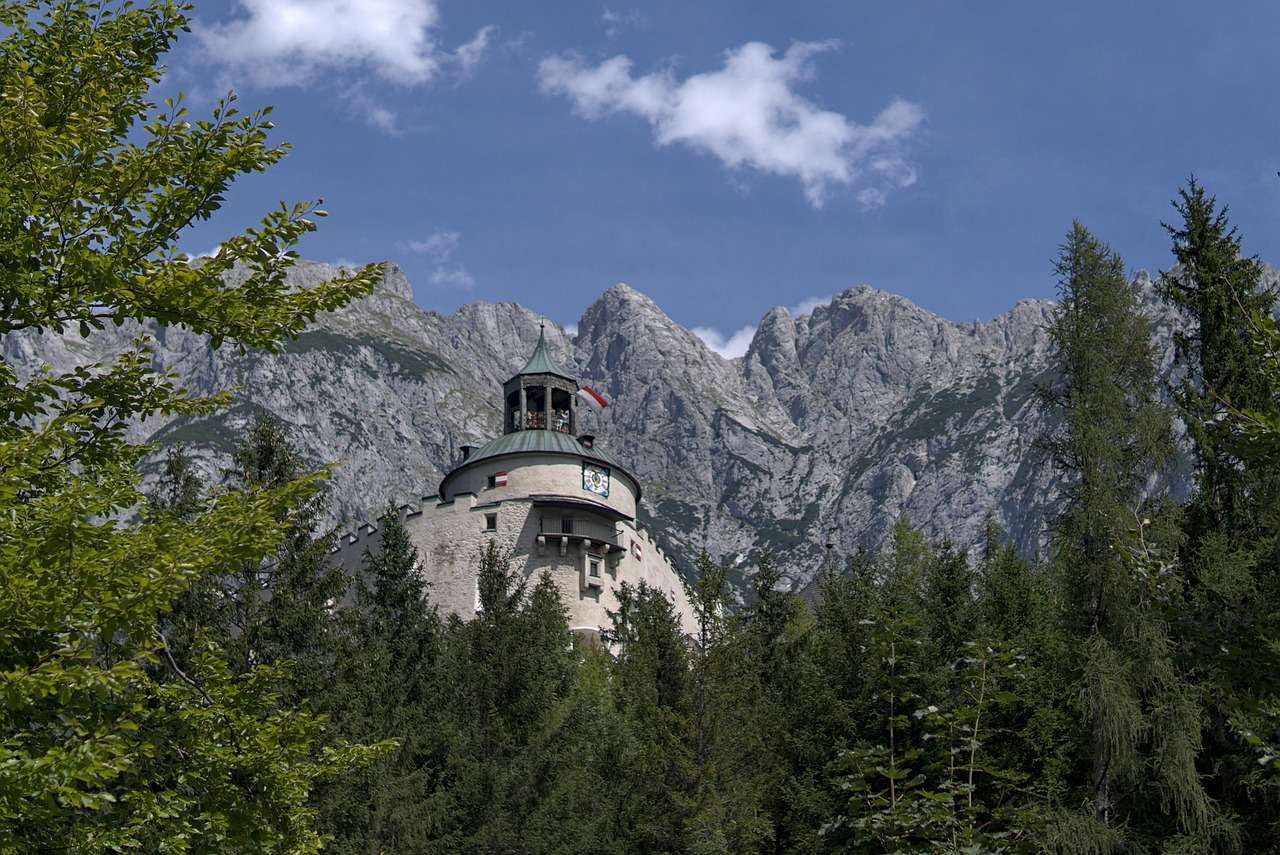
- Hohenwerfen fortress per the alarm fills the valley’s second act: the 900-year-old rock castle below stages daily falconry flights in season — eagles and falcons working the valley air — with armory tours and the Where Eagles Dare film credential worn plainly (salzburg-burgen.at).

Getting there
The logistics stack: train to Werfen, shuttle (or a steep 90-minute walk) to the cable-car base, the cable car’s dramatic hoist, and a final 20-minute mountain path to the entrance — altogether about 90 minutes from village to cave mouth, which is why the alarm budgets three hours door to door before the tour’s own 70 minutes. Booking locks the slot; the eat-first clause exists because the mountain offers effort before it offers lunch. The fortress pairs naturally on the descent — its falconry showtimes posted, the village between.
The day
The ascent is its own spectacle — the cable car hangs you over the Salzach valley, and the entrance path’s views run to the Hohe Tauern — then the door opens and summer ends: the wind at the mouth, the lamps handed out, and the climb beginning. The circuit works up through the ice: the Posselt Hall’s frozen wall, the ice palace chambers where magnesium flares throw the blue, the Eispalast at the turnaround, and the long stair rhythm the alarm promised — taken steadily, with the guides pacing the group. Back in daylight, the descent reverses the stack to the village and the lunch you were promised. Hohenwerfen takes the afternoon: the climb or lift to the walls, the falconry display’s low passes over the crowd, and the armory-and-dungeon circuit for the committed. The evening train home is forty minutes; the legs will report the day accurately.
When to go
The season is the rule: May to November, no exceptions, with early summer running the richest new ice formations (winter’s melt-water refrozen into the year’s freshest shapes) and September–October the thinnest crowds. July–August books out midday slots — first tours beat both queue and afternoon storms. The cave’s temperature ignores the calendar entirely per the alarm’s dress rule; the cable car’s wind sensitivity argues the morning status check in every month. The fortress season roughly matches, with falconry flying daily through the core months.
Frequently Asked Questions
How hard is it really?
Honestly demanding: ~700 steps up and down inside at freezing temperature, plus the approach path’s alpine 20 minutes — the most physical day this site recommends from Salzburg per the alarm. Ordinary fitness with a steady pace covers it; the guides pause at chambers. It is not for unwilling knees, unprepared shoes, or anyone who packed for August.
Why no electric light?
Preservation and tradition together: the cave has been shown by carried lamplight since tours began, the carbide flames neither heat nor wire the ice environment, and the flaring magnesium reveals the chambers the way the pioneers saw them. The darkness between lamps is part of the design — the mountain stays a mountain.
Is it really the world’s largest ice cave?
By the standing measure — some 42 km of surveyed labyrinth with the great ice formations in its show section — Eisriesenwelt holds the title in every standard account, per the alarm’s well-supported phrasing. The toured kilometer is the icy fraction; the deeper system runs bare rock. The superlative is the draw; the blue walls are the reason.
Can I do the cave and fortress in one day?
Yes — it’s the designed pairing and the alarm’s structure: cave on the morning slot, fortress falconry in the afternoon, train bracketing both. The combination runs a genuinely full day with two climbs in it. Choosing one, the cave is the singular thing; the fortress is the excellent second act.
Werfen or Hallstatt from Salzburg?
Hallstatt (documented on this network with its punishes-the-sprint verdict) for the lake village postcard; Werfen for ice, falcons, and effort. Crowded beauty versus effortful spectacle — and in August the cave’s 0°C is the region’s best-kept counterprogram to the lakefront selfie queue.